
The best waterproof flooring for basements is luxury vinyl plank or waterproof laminate because both resist moisture, prevent mold, and look great for years. These materials are easy to install, durable, and affordable compared to traditional flooring types. In short, if your basement often gets damp, choosing waterproof materials will protect your space, reduce maintenance, and improve comfort and home value.
Understanding the Challenge of Basement Flooring
Basements are unique areas in a home because they sit below ground level. This makes them more likely to collect moisture, especially during heavy rain or when humidity levels are high. Many homeowners notice that even if the floor looks dry, small cracks or poor sealing can allow water to seep through concrete over time.
That constant moisture can damage floors, weaken adhesives, and even cause mold to grow. Choosing the right flooring for your basement is not only about looks but also about keeping your home healthy and strong for years.
Why Waterproof Flooring for Basements Matters
Waterproof flooring plays an important role in preventing long-term problems in basements. Regular floors like carpet, hardwood, or simple laminate can absorb water, leading to bad smells and permanent stains. Once the flooring absorbs moisture, it often needs full replacement.
On the other hand, waterproof flooring keeps water from soaking in. This protects the base layer underneath and prevents bacteria, mold, or mildew from forming. It also keeps the space comfortable all year round, even when outside weather changes.
Installing waterproof flooring is a smart investment because it saves repair costs, keeps the air cleaner, and increases the resale value of your home.
What Type of Floor Is Best for Basements
The best flooring for basements depends on how the space is used. If it’s a living area, you might want a warm surface that looks like real wood. If it’s a storage or laundry space, durability is more important than style.
Here are some of the best types:
- Luxury Vinyl Plank (LVP): Completely waterproof, scratch-resistant, and available in many styles.
- Epoxy Flooring: Creates a hard, shiny finish perfect for workshops or storage.
- Ceramic or Porcelain Tile: Highly durable and water-resistant, ideal for areas with heavy foot traffic.
- Rubber Flooring: Great for home gyms because it’s soft, waterproof, and easy to clean.
- Sealed Concrete: Affordable, simple, and long-lasting once sealed properly.
Each type offers unique benefits, but waterproof vinyl or tile often wins for comfort, cost, and performance balance.
Comparing Traditional vs. Waterproof Basement Flooring
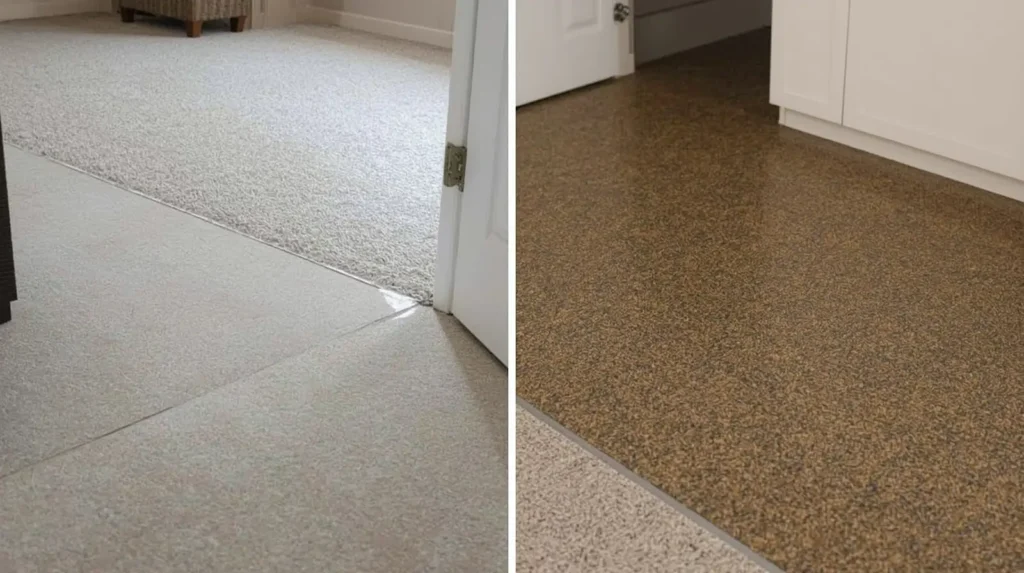
Traditional flooring like carpet or wood can make a basement look cozy but doesn’t hold up against moisture. Water can seep under the surface, ruin the subfloor, and cause the materials to swell or rot.
Waterproof flooring, however, is built with tight seams, non-porous layers, and moisture-resistant adhesives. These designs block water, preventing long-term issues. Even if there’s a minor spill or humidity rise, waterproof floors stay stable and clean.
In short, traditional options are better for dry upper floors, while basements benefit most from materials made to fight moisture and water damage.
Flooring for Basements That Stay Dry and Stylish
Today’s homeowners don’t need to choose between looks and protection. Modern waterproof basement flooring combines both. Vinyl and tile flooring come in wood, stone, or concrete styles that fit any decor.
Many waterproof materials are designed to feel warmer and softer underfoot than old-fashioned concrete. You can easily find flooring that matches your walls, lighting, and furniture without worrying about leaks.
This balance of comfort and durability is what makes modern basement flooring a favorite choice for homeowners who value both design and practicality.
Waterproof Basement Flooring Options to Consider
Here are a few waterproof flooring options that perform exceptionally well in basements:
- Luxury Vinyl Plank (LVP): Mimics real hardwood but resists moisture, scratches, and stains. Easy to install and affordable.
- Epoxy Coating: Creates a smooth, glossy surface that’s ideal for basements used for storage or recreation.
- Ceramic Tile: Highly durable, resists water, and stays cool in humid environments.
- Waterproof Laminate: Advanced technology makes some laminate products fully water-resistant and perfect for finished basements.
- Rubber or PVC Tiles: Interlocking design makes them easy to replace or clean while keeping the area waterproof.
Each option offers a balance of function, price, and appearance, so you can pick one that fits your needs and style preferences.
How to Prepare a Concrete Basement Floor Before Installation
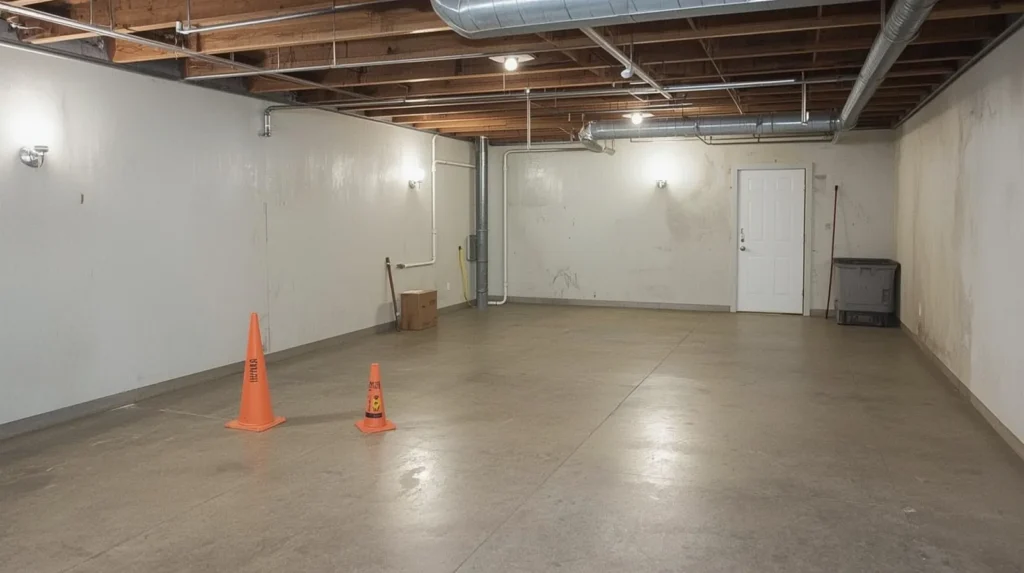
Before installing waterproof flooring, it’s important to prepare the surface properly. Start by cleaning the floor thoroughly to remove dirt, oil, or old adhesive. Then, fill in any cracks or holes using a concrete patch compound.
Once the surface is smooth, apply a sealant to protect it from hidden moisture that could rise from underneath. If the area has a high moisture level, adding a vapor barrier under the new flooring helps prevent long-term water issues.
Preparation is key. A clean, level, and sealed surface ensures the flooring lasts longer and performs better.
Budget-Friendly Basement Floor Covering Ideas
You don’t have to spend a fortune to make your basement both beautiful and waterproof. Some affordable solutions include:
- Peel-and-Stick Vinyl Tiles: Simple to install and available in many designs.
- Painted Concrete with Epoxy Sealer: A low-cost, durable option that looks neat and clean.
- Waterproof Laminate Flooring: Offers a high-end look at a reasonable price.
Even on a tight budget, you can achieve a stylish finish that stands up to moisture and daily use. The key is choosing materials made for basement conditions rather than standard interior floors.
Expert Advice on Maintaining Waterproof Flooring
Maintaining waterproof basement flooring is simple but essential. Sweep or vacuum regularly to prevent dirt from scratching the surface. Use mild cleaners without harsh chemicals to preserve shine and strength.
If you notice any water pooling or leaks, address them immediately to prevent long-term issues. Most waterproof materials resist stains, but quick cleaning keeps them looking new.
Avoid heavy dragging of furniture or sharp tools that could damage the protective layer. Regular care helps waterproof floors last for many years without losing their appeal.
Why Homeowners in Coachella, CA Trust CV Floor & Blinds
For years, homeowners have turned to CV Floor & Blinds for expert flooring advice and professional installations. The brand’s experience with moisture-prone areas like basements ensures every customer gets durable and beautiful results.
Locals appreciate that the company offers a full range of flooring products, from luxury vinyl to custom laminate, each tested for water resistance and performance. When it comes to protecting your basement from humidity and leaks, working with professionals who understand local climate and home structures makes a difference.
Transform Your Basement with Confidence
Your basement has the potential to become one of the most functional and comfortable spaces in your home. By choosing waterproof flooring, you protect your investment and create a space that looks great year after year.
Whether you’re planning a new home gym, a playroom, or a cozy lounge, start with a floor designed to handle moisture and heavy use. With help from CV Floor & Blinds, you can turn your basement into a dry, welcoming, and lasting part of your home.
Ready to upgrade your basement floor? Contact CV Floor & Blinds today to explore top waterproof flooring options, get professional advice, and enjoy a smooth installation experience that transforms your home with lasting quality.