
Master Home Style Using Drapes to Cover Walls Like a Pro

Why Drapes Are More Than Just Window Treatments


Using drapes to cover walls can change a room in ways you might not expect. Drapes do more than block light; they add color, texture, and life to any space. Imagine walking into a room with plain white walls and feeling it is cold or empty. Now picture that same room with soft, flowing fabric from floor to ceiling. The space feels warm, welcoming, and chic. Drapes can hide cracks, marks, or uneven paint.

They also help to dampen sound so your living room or bedroom feels cozier and less echoey. With the right drape choice, you can set a mood romantic, bold, or calm without painting or building. Drapes come in many fabrics: cotton, linen, velvet, and even sheer materials. Each fabric type brings its own look and feel. A heavy velvet drape gives a sense of luxury, while a light linen drape feels breezy and relaxed.

You can mix fabrics for a custom look. Best of all, hanging drapes is less work than building a new wall or buying art. A simple rod and some hooks are often all you need. When you learn how to use drapes creatively, you open many design doors without major cost or mess.

The Appeal of Using Drapes to Cover Walls
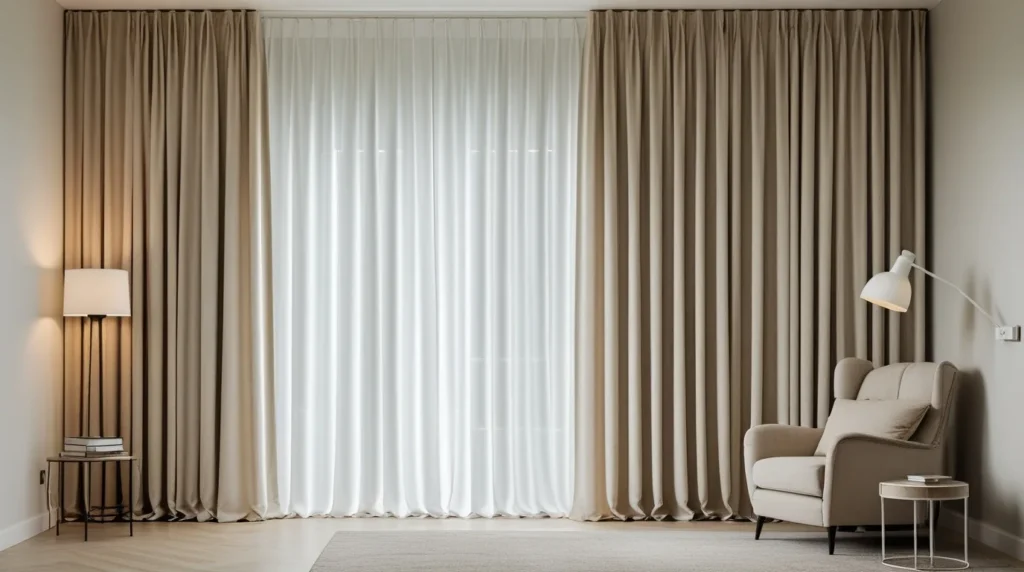

There are many reasons why using drapes to cover walls is so popular. First, drapes are easy to install. You need just a curtain rod or track, wall anchors, and screws. No heavy tools or messy drywall work are required. Second, drapes let you change your style quickly. Swap one fabric for another and get a whole new look. Third, drapes offer flexibility. You can pull them closed for privacy or light control, then open them to reveal the wall or window behind. Fourth, drapes can be layered.

Combining sheer panels with thicker curtains creates depth and adds a decorative element. Fifth, drapes are portable. If you move to a new home, you can take them with you. Sixth, drapes are cost-effective. Good quality fabric starts at reasonable prices, and installation is simple enough that many people do it themselves. Finally, drapes can make small rooms feel larger. When you drape fabric from ceiling to floor, it draws the eye up and down, making the room look taller and wider. These benefits make drapes a smart choice for both new and experienced decorators.

Benefits of Curtains as Wall Covering


Curtains as wall covering offer more than just style. One big benefit is sound control. Fabric absorbs noise, which cuts down on echoes and makes rooms quieter. This is helpful in living rooms, home theaters, or apartments with thin walls. Another benefit is insulation. Heavy curtains trap warm air in winter and block heat in summer. This can lower energy bills by reducing the need for heating or air conditioning. Curtains also protect walls. They shield paint and wallpaper from sun damage and reduce wear from furniture bumps.

Beyond practical perks, curtains add softness. Hard surfaces like plaster or brick can feel cold or sterile. Drapes introduce curves and flowing lines that balance sharp edges. Curtains also bring a sense of luxury. Think of elegant hotels where walls are covered in silk panels. You can bring that high-end feel to your own home. Fabric wall coverings are also easier to repair or replace than painted walls. If a drape tears, you can patch or swap out a panel. Finally, curtains allow for creativity. You can stencil, embroider, or dye plain drapes for a custom look. All these benefits make fabric wall coverings a wise choice for style and function.

How to Cover an Entire Wall with Curtains: Step-by-Step
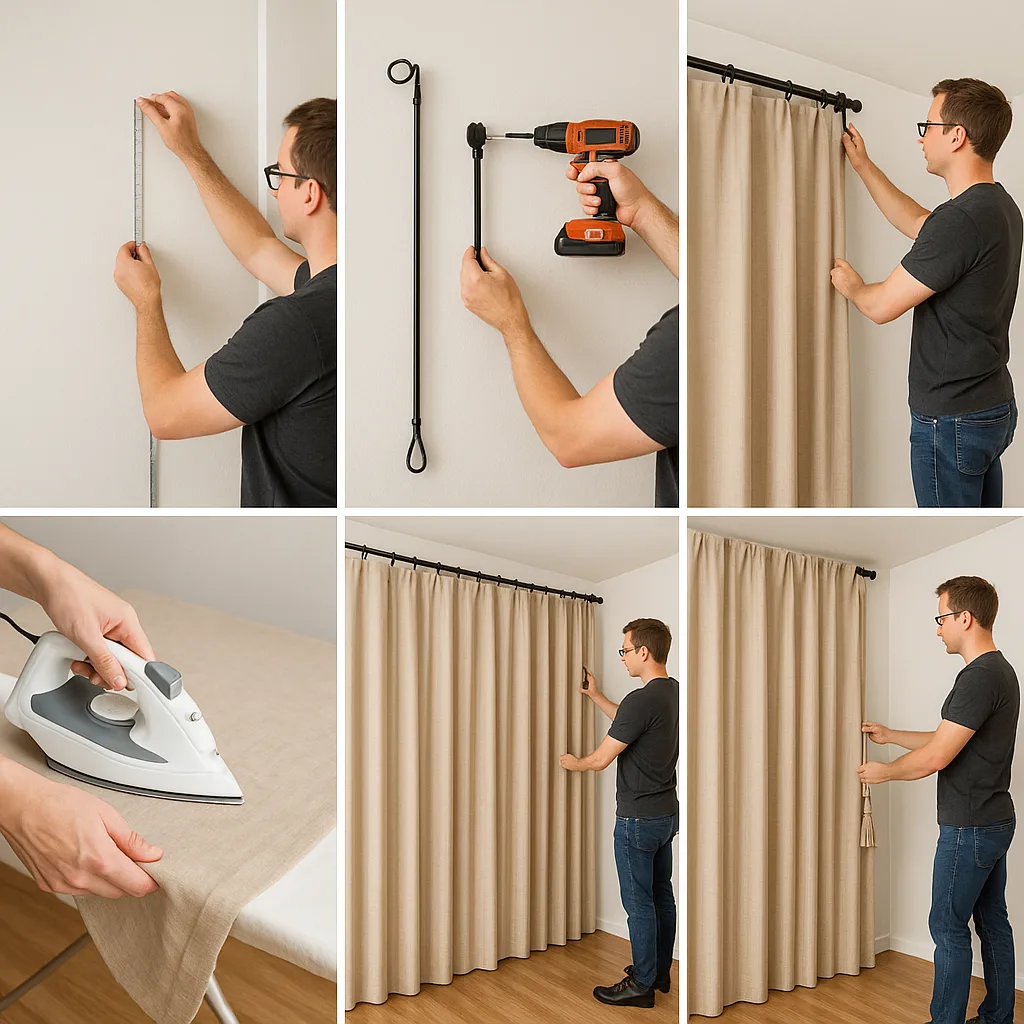

Covering an entire wall with curtains is easier than you think. Follow these simple steps for a smooth result:

  1. Measure Carefully
    Measure the height from ceiling to floor and the width of the wall. Add extra width so the drapes can stack back when open. A good rule is 1.5 to 2 times the wall width for full coverage.
  2. Choose Your Rod or Track
    Pick a sturdy curtain rod or ceiling-mounted track rated for the fabric weight. For heavy drapes, metal tracks are best.
  3. Install Hardware
    Mark the rod or track position above the wall or flush with the ceiling. Use a level to ensure a straight line. Drill pilot holes and insert wall anchors. Screw in the brackets or track supports.
  4. Prepare the Drapes
    Iron or steam drapes to remove wrinkles. Clip or slide rings, hooks, or carriers onto the drape header.
  5. Hang and Adjust
    Place the drapes on the rod or track. Adjust the panels so they hang evenly, with gentle folds. If panels pool on the floor, that’s a soft, luxe look. For a clean finish, choose a length that just brushes the floor.
  6. Check Light and Privacy
    Close and open the curtains to test light control and privacy. Layer sheers if you want filtered light during the day and full privacy at night.
  7. Final Touches
    Add tiebacks, tassels, or holdbacks for a decorative touch. These also help stack curtains neatly when open.

By following these steps, you’ll get a wall that looks like it’s been styled by a pro, with no painting or construction mess.

Hanging Curtains on Walls: Tools, Tips & Techniques


Hanging curtains on walls requires the right tools and a little know-how. Here’s what you need:

  • Drill and Bits for pilot holes.
  • Wall Anchors rated for the weight you plan to hang.
  • Screws or Track Supports that match your anchor type.
  • Level to keep rods straight.
  • Measuring Tape for precise spacing.
  • Pencil for marking.

Pro Tips:

  • Always use anchors if you’re not drilling into studs.
  • For very heavy drapes, install two rods or use a double-track system.
  • Place brackets 6–8 inches from the wall ends for support.
  • If your wall is brick or concrete, use masonry anchors.
  • Pre-test the weight by hanging one drape panel, then add more panels once you confirm the support.
  • Use a laser level or chalk line for long walls to keep everything perfectly straight.
  • Wear safety glasses when drilling into walls.

Techniques:

  • Ceiling Mount: For a seamless look, mount your track directly to the ceiling. This makes small rooms feel taller.
  • Wall Mount: If ceiling mount is not an option, install rods just above the wall line or window frame.
  • Hidden Track: Some tracks can be recessed into a false ceiling or cornice for a sleek, modern feel.
  • Clip Rings vs. Tab Top: Clip rings let you move panels more easily, while tab tops offer a casual, laid-back look. Choose what fits your style.

With the right gear and steps, hanging curtains on walls can be a weekend DIY project anyone can tackle.

Styling with Whole Wall Curtains and Wall-to-Wall Drapes


Whole wall curtains create drama and height in any room. Here’s how to get a polished style:

  • Color Harmony: Pick curtain colors that match or contrast with your sofa, rug, or accent pillows. A bold color can be a focal point; a neutral tone blends quietly.
  • Pattern Play: Stripes, florals, or geometric prints add interest. If your furniture is plain, a patterned curtain can lift the design. If your furniture is busy, stick to solids or subtle prints.
  • Layering: Place a sheer panel closest to the wall and a heavier drape in front. This allows light during the day and privacy at night. You can also add a third layer, like a patterned valance, for extra flair.
  • Length Matters: Floor-to-ceiling drapes elongate walls. Aim for panels that just skim the floor for a clean look or pool slightly for a more opulent aesthetic.
  • Stack Back: Use tiebacks or holdbacks to reveal a bit of wall or window when curtains are open. This prevents your room from feeling boxed in.
  • Hardware as Décor: Rods, finials, and rings come in many finishes brass, nickel, black, wood. Choose hardware that complements your décor style.
  • Symmetry vs. Asymmetry: For formal rooms, hang panels symmetrically. For boho or casual spaces, hang mismatched panels or vary lengths for an eclectic look.

By styling whole wall curtains thoughtfully, you can make any room feel custom-designed.

Creative Ideas: How to Make a Wall of Curtains
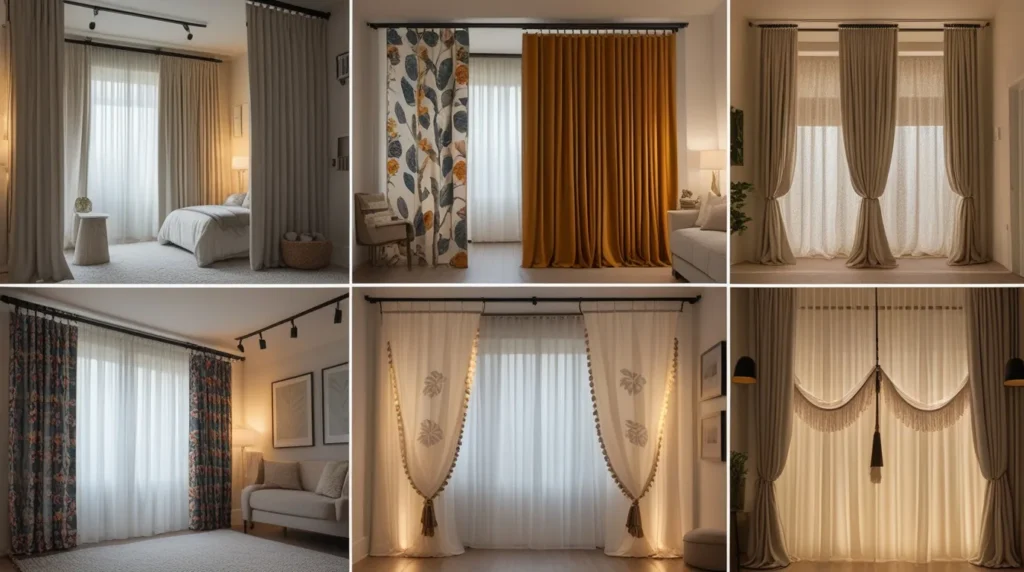

A wall of curtains can feel like a soft room divider or a hidden storage door. Try these creative ideas:

  • Sliding Panels: Install a multi-track system where each curtain panel slides like a door. This works well to hide closets or open up a living area.
  • Room Divider: Hang curtains from the ceiling in a straight line to separate a bedroom nook from a living room. It’s flexible and can be pulled back when you want an open plan.
  • Pattern Mix: Use two contrasting fabrics striped and solid or floral and geometric for a bold statement. Alternate panels along the wall.
  • Tassel Trim: Sew tassels or pom-poms along the bottom edge of each panel for a playful touch.
  • Painted Panels: Buy plain white drapes and stencil a simple design leaves, chevrons, or words using fabric paint. This customizes your wall covering.
  • Lighting Behind Curtains: Hang a string of soft LED lights behind sheer drapes for a glowing effect at night. It doubles as mood lighting and adds drama.
  • Mixed Heights: Hang panels at varying heights some from the true ceiling, others from a dropped beam for an avant-garde gallery feel.

These ideas help you see curtains not just as window dressings, but as key design players that transform walls and spaces.

CV Floor & Blinds: Wall-to-Wall Curtains in Coachella Valley, CA


At CV Floor & Blinds, we know how important the right drape solution is for your home. Our Coachella Valley, CA, clients trust us to deliver whole wall curtains that fit their style and budget. We guide you through fabric selection from light-filtering sheers to blackout velvet and help install wall-to-wall drapes with precision. Our team uses professional-grade hardware to ensure your curtains hang straight and last for years. We offer in-home consultations so you can see samples in your space under real light. With CV Floor & Blinds, you get expert service, friendly advice, and a final result that looks custom-made. Let us help you turn a plain wall into a beautiful, functional feature.

Covering Walls with Curtains: Maintenance & Refreshing Tips


Once your curtains are in place, keeping them fresh is easy. Follow these tips:

  • Regular Dusting: Vacuum drapes monthly on a low-power setting using the upholstery brush.
  • Spot Cleaning: Blot spills quickly with a clean cloth and mild soap. Test any cleaner on a hidden area first.
  • Deep Cleaning: Check fabric care labels. Many drapes can be machine washed on gentle or dry cleaned.
  • Rotate Panels: If one side faces the sun more, rotate panels every year to prevent uneven fading.
  • Refresh Rings and Hooks: Inspect hardware annually and tighten or replace any worn parts.
  • Style Update: Swap out a panel or change tiebacks for a new look each season. You can also add trim, tassels, or a decorative valance without rehanging hardware.

With these maintenance tips, your drapes will stay beautiful and functional for years to come.

Ready to transform your walls with elegant drapes? Connect with our experts today for a free design consultation and see how simple it can be to reinvent your space!
Related Post

Blackout shades for sliding glass door

Expert Tips on Blackout Shades for Sliding Glass Doors

Blackout shades for sliding glass doors are one of the best ways to block harsh light, improve privacy, reduce heat, and make a room more comfortable. They are made to cover wide glass areas, move with ease, and give better light control than many standard window coverings. Sliding glass doors bring in sunlight and open views, but they can also create glare, heat, and a lack of privacy. The right shade helps solve all of these problems. Blackout shades can darken a room, protect floors and furniture, and help lower energy use. They also give your space a cleaner and more finished look. This guide explains how blackout shades work, what styles to choose, what features matter most, and how to avoid common buying mistakes. You will also learn when custom options make the biggest difference and why professional help often saves time and stress. Why Sliding Glass Doors Need the Right Light Control Solution Sliding glass doors are popular because they let in natural light and connect indoor spaces to patios or yards. They can make a room feel larger and brighter. Yet they also come with daily problems. Strong sun can make a room too hot. Afternoon glare can hit your TV or computer screen. Bright light can wake children from naps or make it hard to sleep after a night shift. Large glass panels also make privacy harder, especially in busy neighborhoods. That is why the right light control solution matters. A shade designed for wide openings works better than many small blinds or basic curtains. It should open smoothly, cover the full glass area, and match how you use the room each day. How Blackout Shades Improve Comfort, Privacy, and Daily Living A blackout shade does more than block light. It can improve how your home feels from morning to night. First, it helps control brightness. You can lower the shade during peak sun hours and create a calmer space. This helps with screen glare, reading, and relaxing. Second, it improves privacy. At night, interior lights can make rooms easy to see from outside. A proper shade gives peace of mind when you want more privacy. Third, it can support better comfort. Some blackout materials add a layer between the glass and the room. That may help reduce heat gain in summer and keep rooms more stable. Families also enjoy better routines. Children can nap easier. Movie nights feel better. Bedrooms near patio doors stay darker. Small changes like these can make everyday life smoother. What Makes Blackout Shades for Sliding Glass Doors Different From Standard Window Coverings Not every shade works well on a wide glass opening. Standard window coverings are often made for smaller windows. Sliding doors need a product built for larger widths and frequent use. The best options glide with ease and stack neatly when open. They should allow access to the door handle and not block the walking path. Good designs also help the fabric hang straight across the full span. Many homeowners choose blackout shades for sliding doors because they offer a cleaner look than bulky drapes. They can fit modern, classic, or simple spaces. Some styles move side to side, while others roll up or stack. Another key difference is coverage. A well fitted product leaves fewer gaps where light can enter. That matters when you want real darkness, better privacy, or stronger sun control. Best Shade for Sliding Glass Door, Top Styles to Consider Before You Buy The best shade for sliding glass door use depends on your room, budget, and style. Here are common choices: Panel Track ShadesLarge fabric panels slide on a track. They work well for wide openings and look clean and modern. Roller ShadesA single large roller or split rollers can offer a sleek design. Many people like the simple look and easy use. Vertical Cellular ShadesThese shades move side to side and may add insulation. They are useful when heat control matters. Roman ShadesSoft fabric folds create a warm and elegant look. They work best where style is a top goal. Motorized ShadesThese open and close with a remote or app. They are great for convenience and daily use. Think about who uses the room, how often the door opens, and how dark you want the space. Sliding Glass Door Blackout Shades vs Curtains, Which Option Works Better Curtains are common, but they are not always the best fit. They can look nice and add softness, yet they may need more space and can gather dust over time. Sliding glass door blackout shades often look cleaner and use less room. They can stack tighter and allow easier access to the door. Many people also find them simpler to maintain. Curtains may be better if you want a dramatic or layered design. They also come in many fabrics and colors. Still, some curtain setups leave gaps at the sides or drag near the floor. Shades usually offer a more tailored fit. That means better light control and a neater finish. If your goal is strong performance with a modern look, shades are often the stronger choice. How to Choose Blackout Shades for Sliding Doors Based on Room Size and Use Start with the room itself. A bedroom often needs stronger room darkening than a dining room. A family room may need easy daily use and quick access to the patio. Next, think about size. Wide doors need stable hardware and smooth movement. Tall doors need proper measurements so the shade hangs well and clears the floor. Then consider traffic. If kids or pets move in and out often, choose a durable product that opens fast and handles regular use. Style matters too. A simple room may look best with clean lines. A cozy room may suit fabric folds or warmer textures. Also ask how much sun the door gets. Strong west facing sun may need better light blocking and heat control than a shaded area. When you match the shade to the room,

Read More »
best skylight shades

Best Skylight Shades for Comfort and Style at Home

The best skylight shades help control sunlight, lower heat, reduce glare, add privacy, and make rooms more comfortable. The right shade also protects floors and furniture from fading while improving how your space looks and feels. Skylights bring beauty and natural light into a home, but too much sun can create heat, glare, and discomfort. That is where the right shade makes a big difference. Good skylight shades let you enjoy daylight when you want it and block light when you need rest or privacy. Some styles focus on insulation, while others give smart controls with remotes or timers. In this guide, you will learn how different options work, what rooms they fit best, and how to choose a lasting solution for your home. If you want comfort, energy savings, and better control, a quality skylight shade is a smart upgrade. How Modern Window Treatment for Skylights Improves Everyday Living A skylight can brighten a room in seconds. It can make small spaces feel open and fresh. Many homeowners love the clean look and extra daylight. Still, open glass above your head can create problems during hot afternoons or early mornings. A modern window treatment for skylights helps solve those issues. It lets you manage the amount of light that enters the room. You can soften bright sunlight, reduce glare on screens, or darken a room for sleep. It can also help keep indoor temperatures more stable. Less direct sun often means less heat build up. That can make your cooling system work less. Another benefit is comfort. When light feels balanced, rooms become easier to enjoy for reading, relaxing, cooking, or working. Best Skylight Shades for Blocking Heat, Glare, and UV Rays Not every shade works the same way. Some focus on style, while others focus on performance. If heat and glare are your biggest problems, choose products made with light filtering or reflective fabrics. A sun shade for skylight areas can cut harsh brightness without making the room too dark. This works well in kitchens, family rooms, and offices. Some roof skylight shades use special materials that help reflect solar heat. This can make warm rooms feel more comfortable during sunny seasons. UV protection matters too. Strong sunlight can fade rugs, wood floors, sofas, and artwork over time. Shades create a barrier that helps protect those items. If your room gets strong afternoon sun, ask about fabrics made for glare control and heat reduction. Cellular Skylight Shades vs Roller and Pleated Options, What Works Best Cellular Skylight Shades Cellular skylight shades are a smart choice for comfort and energy savings. They use honeycomb shaped pockets that trap air inside the shade. This extra layer can help reduce heat gain and improve insulation. Many homeowners choose them for bedrooms, living rooms, and spaces that get strong sun. They also help soften light and reduce glare while keeping the room comfortable. Best for: Roller and Pleated Shades Roller shades offer a clean and modern look. They roll up neatly when open and come in light filtering or room darkening fabrics. They are great for simple style and easy daily use. Pleated shades add more texture and decorative appeal. Their folded design works well in both classic and modern homes. Many people choose pleated styles when design matters as much as function. Best for: The best option depends on your room, budget, and what matters most to you. Blackout Skylight Cover Solutions for Bedrooms, Media Rooms, and Nurseries Some rooms need darkness, not just softer light. Bedrooms, baby rooms, and media spaces often work better with blackout coverage. A blackout skylight cover blocks much more light than standard fabrics. It can help people sleep later in the morning or rest during the day. Parents often like blackout shades in nurseries because naps become easier. Movie lovers enjoy them in media rooms because screens look clearer without glare. There are several options to consider: The best option depends on how often you want to open and close the shade. If daily use matters, motorized control can be the easiest path. Motorized Blackout Skylight Shades and Remote Skylight Blinds Explained Hard to reach skylights can be difficult to manage by hand. That is why many homeowners choose motorized blackout skylight shades or remote skylight blinds. With the push of a button, you can open or close the shade in seconds. Some systems use a handheld remote. Others connect to wall controls or smart home apps. Power shades for skylights are helpful in tall ceilings, stairwells, and large living rooms. You do not need ladders or poles. Many systems also allow scheduling. For example, shades can close during the hottest part of the day and open again later. This adds comfort and convenience at the same time. An electric shade for skylight windows may cost more upfront, but many people feel the daily ease is worth it. Manual vs Automatic Shades for Skylights, Which One Should You Choose Both manual and automatic shades for skylights can work well. The right choice depends on your needs. Manual shades often cost less. They can be a smart fit for low or easy to reach skylights. If you only adjust them once in a while, manual control may be enough. Automatic shades for skylights add more comfort. They are ideal when skylights sit high above the floor or when you want simple daily control. Think about these questions: If ease matters most, automatic systems usually win. If basic function matters most, manual shades can still do the job well. Custom Blinds for Skylights and Hard to Fit Window Designs Many skylights are not standard sizes. Some are narrow, wide, angled, or placed in unique ceiling designs. Ready made products may not fit correctly. Custom blinds for skylights solve that problem. They are measured for your exact opening and built to match. A better fit often means better performance. Less light leaks through the edges. Operation feels smoother. The final look appears cleaner. Custom solutions also give

Read More »
How to Clean Faux Wood Blinds Simple Tips for a Fresh Look

How to Clean Faux Wood Blinds: Simple Tips for a Fresh Look

Faux wood blinds are an affordable and stylish window treatment option for homes and offices. They look great, are easy to maintain, and offer the same aesthetic appeal as traditional wood blinds but at a lower cost. However, like any other window covering, faux wood blinds require regular cleaning to keep them looking fresh and to extend their lifespan. In this blog, we will guide you through the process of how to clean faux wood blinds effectively. Why Faux Wood Blinds Are Popular in Coachella, CA Homes Faux wood blinds have become a popular choice for many homeowners in Coachella, CA, and for good reason. These blinds offer the look and feel of real wood but are made from durable materials that are resistant to moisture and wear. They are especially beneficial for areas with high heat and humidity, like Coachella, where traditional wooden blinds may warp or fade. Faux wood blinds are easy to clean, making them a great option for homeowners looking for minimal maintenance with maximum style. At CV Floors and Blinds, we pride ourselves on providing high-quality faux wood blinds to homes in the Coachella area. Whether you’re renovating your space or installing new blinds, we have the perfect options to match your style and needs. The Best Way to Clean Faux Wood Blinds Without Damaging Them When it comes to cleaning faux wood blinds, it’s essential to take the proper steps to avoid causing damage. Using the wrong cleaning methods can lead to scratches, discoloration, or even the warping of the material. The best way to clean faux wood blinds is with a gentle touch. Here are the key steps you can follow: By following these simple steps, you can ensure that your faux wood blinds remain in excellent condition for years to come. How Do You Clean Faux Wood Blinds: The Essential Tools You’ll Need To clean faux wood blinds properly, it’s important to have the right tools at hand. You don’t need fancy gadgets, just a few everyday items will do the trick. Here’s a list of essential tools you’ll need: Having these tools ready will make the cleaning process smooth and efficient. Washing Faux Wood Blinds: A Simple Process for Perfect Results While faux wood blinds are easy to clean, there are times when they may need a more thorough cleaning, especially if there’s grime or built-up residue. Washing faux wood blinds requires a bit more effort, but the process is still relatively simple: This method works well for heavily soiled blinds but should be done occasionally to avoid excess moisture exposure. How to Clean Faux Wooden Blinds Effectively Without Harsh Chemicals If you’re concerned about using harsh chemicals on your faux wood blinds, rest assured that there are plenty of natural alternatives that can clean effectively. Here’s how you can clean faux wood blinds without resorting to harsh chemicals: These natural cleaning solutions are not only safe but also effective in cleaning your faux wood blinds. How to Clean Faux Wood Blinds That Have Yellowed or Discolored Over time, faux wood blinds may develop a yellowish tint, especially if they are exposed to sunlight or smoke. To restore the original color, follow these tips: After applying these solutions, wipe the blinds with a clean, damp cloth and dry them with a towel. Common Mistakes When Cleaning Faux Wood Blinds and How to Avoid Them Many homeowners make common mistakes when cleaning faux wood blinds. These mistakes can lead to damage or ineffective cleaning. Here are a few common errors to avoid: By avoiding these common mistakes, you can keep your faux wood blinds looking pristine. How to Clean 2-Inch Faux Wood Blinds with Precision Cleaning 2-inch faux wood blinds requires a bit more attention to detail. Here’s how you can clean them effectively: Cleaning 2-inch faux wood blinds is very similar to cleaning standard blinds, but it requires more care due to their size. The Top Benefits of Cleaning Your Faux Wood Blinds Regularly Regularly cleaning your faux wood blinds has several benefits: By keeping your blinds clean, you are ensuring that they remain a long-lasting, functional, and attractive part of your home decor. Why Choose CV Floors and Blinds for Your Faux Wood Blinds Needs in Coachella, CA At CV Floors and Blinds, we understand the importance of having quality window treatments that are both stylish and durable. We provide premium faux wood blinds that are easy to clean and maintain. If you’re in the Coachella, CA area, we’re here to help you choose the perfect blinds for your home or office. Whether you’re looking to install new faux wood blinds or need advice on cleaning them, our team at CV Floors and Blinds is dedicated to offering top-notch products and services. Contact us today to learn more!

Read More »
Table of Contents