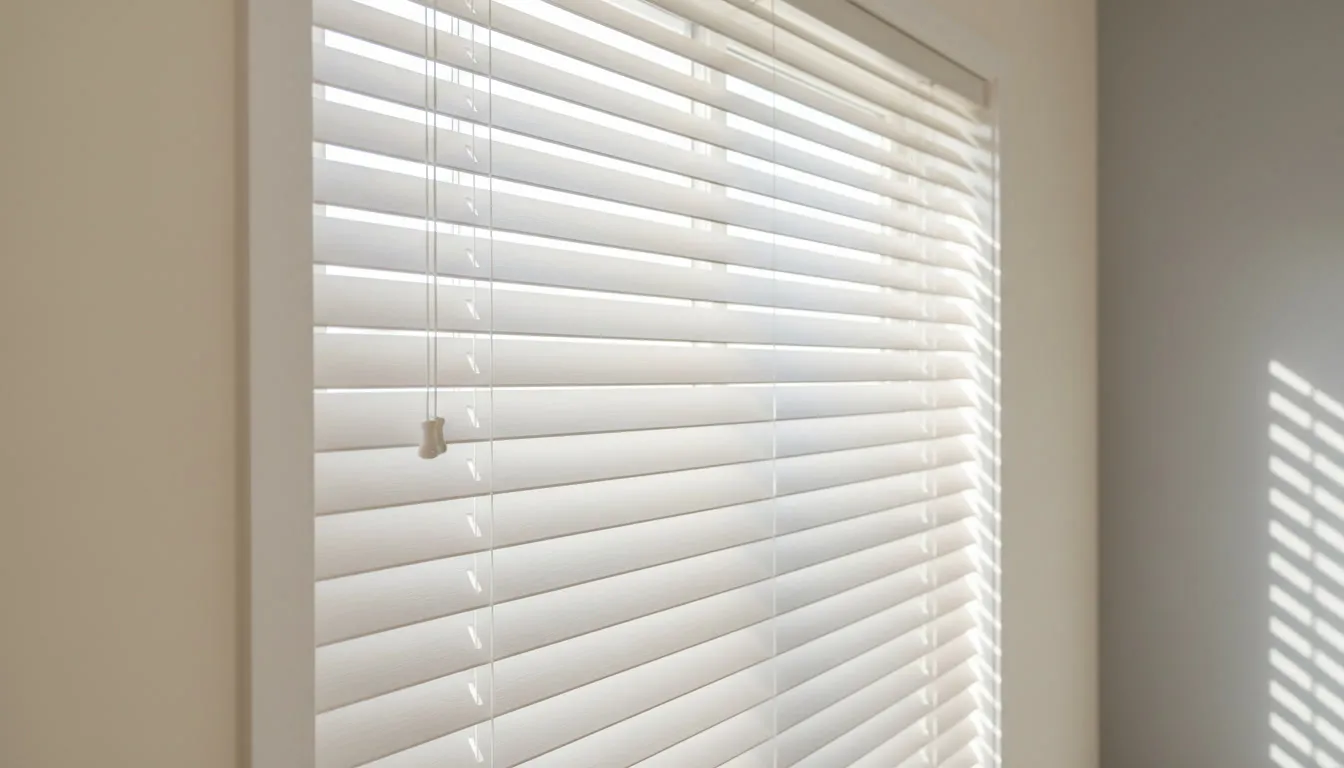

How Many Curtain Rings per Panel You Really Need

If you’re wondering how many curtain rings per panel you really need, the short answer is between 7 and 13 rings per curtain panel, depending on your curtain’s width, weight, and fabric type. A 50-inch-wide curtain usually looks best with 9 to 10 evenly spaced rings. This helps your curtains glide smoothly across the rod without bunching, sagging, or looking uneven. Knowing the right number of rings is key to achieving a balanced, professional appearance that enhances your space. Whether you’re styling a cozy living room or a modern office, following this simple rule ensures your drapes hang beautifully and move effortlessly.

The Basics of Hanging Curtains the Right Way

Hanging curtains might seem simple, but it’s one of those small details that make a huge difference in your home. The right setup changes how your windows frame light and how your space feels. When your curtains hang perfectly, they add warmth, texture, and balance to a room.

Curtain rings play a big part in this. They’re the connection between your fabric and the rod, allowing you to open and close your curtains smoothly. Using too few rings can make the curtain sag and look uneven. Using too many can make it stiff and unnatural.

Think of it like this: the rings are the “support team” that helps your curtains perform their best. Once you understand how to use them correctly, even an ordinary window can look designer-level.

Understanding Drapery Curtain Rings and Their Role

Drapery curtain rings may seem like small details, but they play a big role in how your curtains function and look. They hold the top edge of your curtain securely and allow it to glide smoothly across the rod whenever you open or close it. These rings come in different forms, such as clip rings, hook rings, and eyelet rings, each designed for a specific purpose.

Clip rings work well for casual or lightweight curtains since they can be attached directly to the fabric without any sewing. Hook rings are better suited for pleated or heavier drapes where a more structured, elegant appearance is desired. Eyelet rings, on the other hand, are often used with modern drapes that already have built-in metal grommets for a clean, simple finish.

When selecting your rings, pay attention to their color and finish so they match the curtain rod. Shades like bronze, gold, or matte black can completely change how your window treatment complements the rest of the room. Beyond the aesthetic side, drapery rings also help protect your fabric by spreading its weight evenly across the rod. This reduces stress on the top seam, prevents tearing, and allows the curtains to maintain their original shape for years.

How Many Curtain Rings Per Panel Is Ideal?
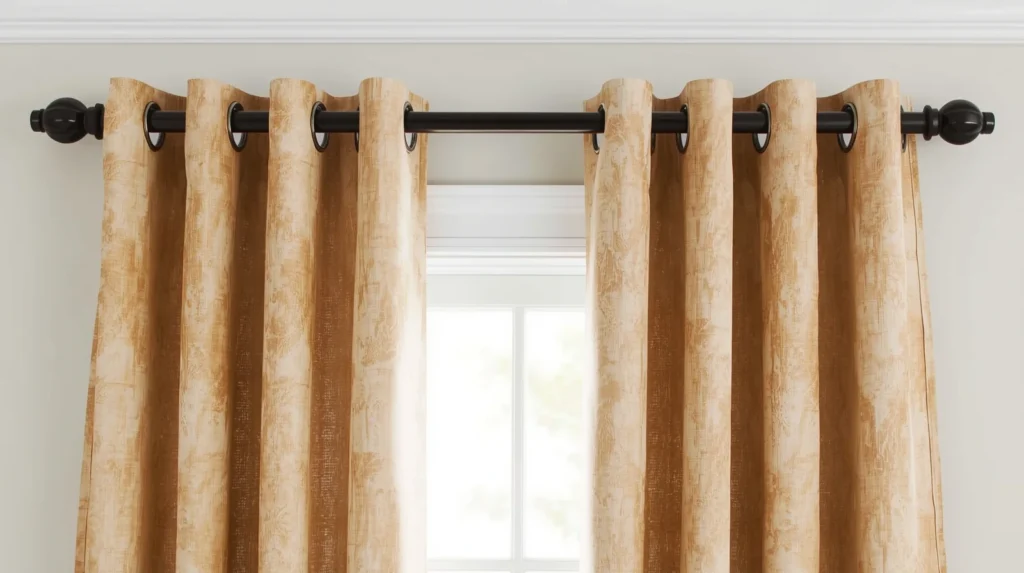
 How Many Curtain Rings Per Panel Is Ideal

The ideal number of rings depends on your curtain size, fabric weight, and how you want it to look. A good general rule is one ring every 4 to 6 inches across the top of the panel.

Here’s how to calculate:

  1. Measure the full width of your curtain panel.
  2. Divide by 4 or 5 to estimate how many rings you’ll need.
  3. Always add one ring at each end of the panel to hold the corners securely.

This formula keeps folds even and the curtain hanging straight.

For example:

  • A 40-inch panel needs about 8–9 rings.
  • A 50-inch panel needs about 9–10 rings.
  • A 72-inch panel might need 11–12 rings.

If your curtain is lined or extra heavy, go toward the higher end of that range to avoid sagging.

Recommended Curtain Ring Count for Common Panel Sizes

Here’s a detailed table for quick reference when shopping or installing curtains:

Curtain WidthIdeal Number of RingsSpacing Between RingsFabric Type
40–50 inches8–10 rings5–6 inchesLight or medium fabric
60–72 inches10–12 rings5 inchesMedium to heavy
84–100 inches12–14 rings5–6 inchesHeavy drapes
Over 100 inches14–16 rings6 inchesVery thick or wide panels

These measurements help your curtain maintain consistent pleats and even movement.

Pro Tip: Don’t skip the end rings. They keep the curtain edges anchored, preventing curling or drooping.

How Far Apart Should Curtain Rings Be?
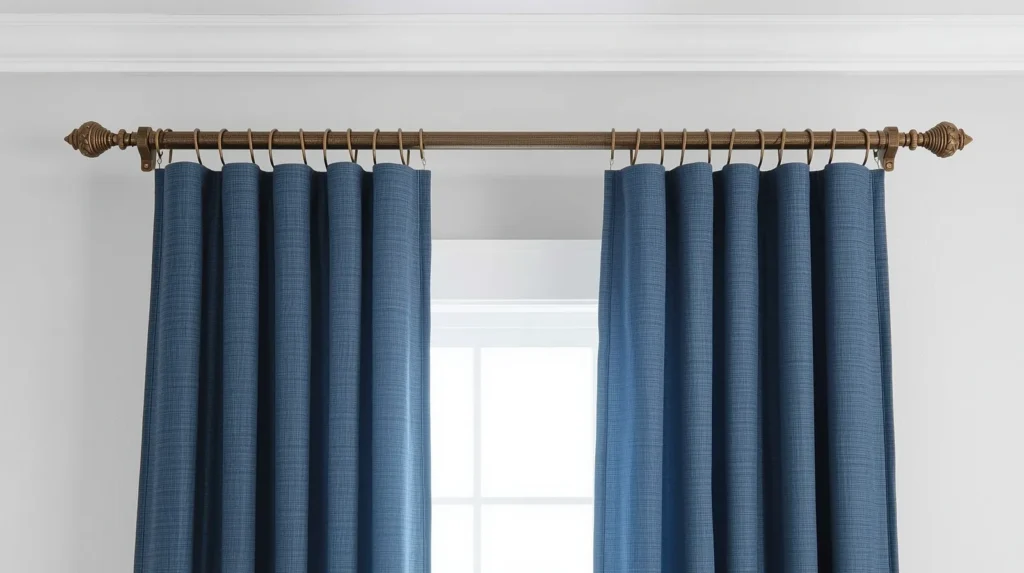
How Far Apart Should Curtain Rings Be

Even spacing is one of the most important details when hanging curtains because it creates balance and symmetry. Most professionals recommend placing each curtain ring about four to six inches apart. This distance allows the fabric to fall into gentle, natural folds without stretching too tightly or bunching unevenly.

To measure the spacing accurately, start by laying your curtain flat on a clean surface. Measure its total width, then set aside about two inches on each end to leave room for the edge rings. Divide the remaining width by the number of spaces between rings to find the correct distance. For instance, if your curtain panel is fifty inches wide and you’re using ten rings, you’ll have nine spaces between them. Dividing forty-eight by nine gives you roughly five and a third inches between each ring, which is ideal for smooth folds.

Taking the time to measure carefully before hanging your curtains ensures a professional finish. When each ring is evenly spaced, the curtains hang straight, open easily, and look clean and intentional from every angle.

How Many Curtain Rings for a 50-Inch Panel?

The most common curtain width in homes is 50 inches, and for that size, 9 to 10 curtain rings usually work perfectly.

If you use fewer than that, you’ll notice sagging between rings. If you use too many, the curtain will feel stiff and lose its natural flow. The goal is to make sure the curtain folds gently without stretching.

Here’s a simple method to get it right:

  • Start with one ring at each end.
  • Then measure and mark even spaces for the remaining rings.
  • Test the glide on your rod before finalizing the setup.

Example: For a living room curtain made of medium-weight cotton, 10 rings spaced every 5 inches will create smooth folds and allow easy opening.

Tip from CV Floor & Blinds: Always test one panel first. This lets you adjust spacing before hanging the entire set.

How Many Curtain Clips or Hooks per Curtain Panel?

If your curtains use clips or hooks instead of sewn-in rings, the same spacing rule applies. The number of curtain clips per panel should match your ring count usually 8 to 10 for a 50-inch curtain.

Here’s how to get it right:

  1. Clip the first and last clips about one inch from the edge.
  2. Spread the rest evenly between them.
  3. Hang the curtain and step back to check for even folds.

Heavier drapes, like blackout or lined curtains, may need an extra clip or hook to keep the weight evenly distributed.

Pro Tip: Don’t clip the fabric too tightly. Leave a little slack so it can slide easily without pulling.

Curtain Ring Size Chart for Perfect Fit

Choosing the correct ring size ensures your curtains glide smoothly and last longer. Rings that are too small can snag, while overly large ones can look bulky.

Use this chart as a guide:

Rod DiameterRing SizeRecommendation
1 inch1.5–2 inchesIdeal for standard rods
1.25 inch2 inchesWorks well with medium drapes
1.5 inch2.25–2.5 inchesGreat for heavy fabrics
2 inch3 inchesBest for decorative rods

If your rings are metal, make sure they have a smooth coating so they don’t scratch the rod. Wooden rings can add warmth to classic interiors, while plastic or acrylic rings are lightweight for modern spaces.

Style Guide: Pleated, Flat, or Grommet Curtains with Rings
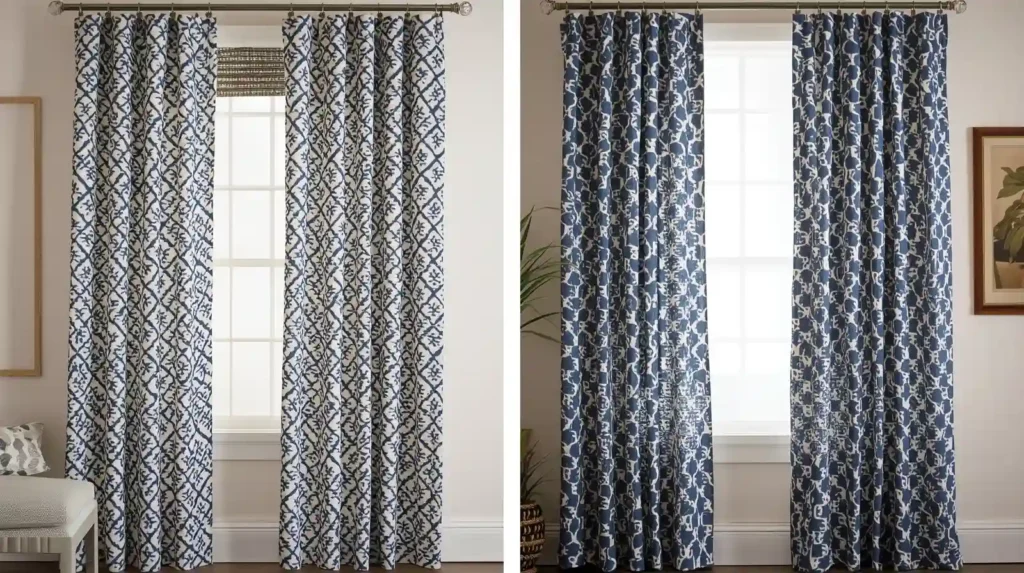
 Pleated, Flat, or Grommet Curtains with Rings

Different curtain styles call for slightly different approaches:

  • Flat Panel Drapery: These are unpleated curtains that rely on ring spacing for their shape. 8–10 rings usually create soft, natural waves.
  • Pleated Drapes: Each pleat needs its own ring, plus one extra at each end. If your curtain has 9 pleats, use 11 rings.
  • Grommet Curtains: Already have built-in holes, so you just thread them through the rod no extra rings needed.
  • Sheer Curtains: Lightweight fabrics look best with fewer rings spaced wider apart, around every 6 inches.
  • Blackout Curtains: Heavy fabrics need more rings (every 4 inches) to keep them supported.

If you mix different curtain styles in one room, keep the ring finish consistent this ties your design together visually.

Expert Tips from CV Floor & Blinds (Coachella, CA)

At CV Floor & Blinds, we’ve had the pleasure of helping hundreds of homeowners across Coachella, CA design and install beautifully styled window treatments. Through years of hands-on experience, we’ve learned that it’s often the smallest details that create the biggest transformation in a room.

One of the key lessons we share with clients is that using an odd number of rings such as nine or eleven often gives curtains a more natural, flowing look compared to even numbers. This simple trick creates a softer rhythm in the folds that feels balanced to the eye. Before final installation, we always recommend sliding the panel across the rod to make sure it moves effortlessly. Smooth movement is essential not only for convenience but also for the curtain’s long-term performance.

Another tip we emphasize is the importance of matching finishes. When your curtain rings, rods, and hooks share the same tone or material, the entire window setup looks cohesive and refined. For heavier drapes, closer ring spacing helps maintain structure while ensuring the fabric hangs neatly. Consistency across multiple panels is equally vital. Aligning each set of rings at the same height and distance gives your windows a professional, tailored appearance that instantly elevates your home’s interior.

Our experts also suggest investing in high-quality drapery rings. While cheaper options may seem tempting, well-crafted rings glide more smoothly and last longer, saving you time and money in the long run. These subtle yet meaningful choices are what make your window treatments stand out.

Final Thoughts

Now that you know how to measure, space, and install curtain rings correctly, you’re ready to give your windows a clean, elegant look that complements your home’s style. Understanding the basics like how many rings per panel, proper spacing, and fabric weight can make a noticeable difference in both appearance and function.

In most cases, using between seven and thirteen rings per curtain panel creates the right balance of support and style. A 50-inch panel usually looks best with nine or ten rings spaced evenly every four to six inches. When you follow these simple guidelines, your curtains hang evenly, open smoothly, and instantly make your room feel more inviting.

If you’d like professional help choosing or installing the perfect drapery curtain rings, the team at CV Floor & Blinds is always here to help. We combine experience with precision to make every window look its best. From selecting the right materials to ensuring a flawless finish, our experts handle every step with care. Schedule your free in-home consultation today and discover how effortless it can be to achieve a look that feels polished, comfortable, and timeless.
Related Post

waterproof flooring for basements

How to Choose Waterproof Flooring for Basements

The best waterproof flooring for basements is luxury vinyl plank or waterproof laminate because both resist moisture, prevent mold, and look great for years. These materials are easy to install, durable, and affordable compared to traditional flooring types. In short, if your basement often gets damp, choosing waterproof materials will protect your space, reduce maintenance, and improve comfort and home value. Understanding the Challenge of Basement Flooring Basements are unique areas in a home because they sit below ground level. This makes them more likely to collect moisture, especially during heavy rain or when humidity levels are high. Many homeowners notice that even if the floor looks dry, small cracks or poor sealing can allow water to seep through concrete over time. That constant moisture can damage floors, weaken adhesives, and even cause mold to grow. Choosing the right flooring for your basement is not only about looks but also about keeping your home healthy and strong for years. Why Waterproof Flooring for Basements Matters Waterproof flooring plays an important role in preventing long-term problems in basements. Regular floors like carpet, hardwood, or simple laminate can absorb water, leading to bad smells and permanent stains. Once the flooring absorbs moisture, it often needs full replacement. On the other hand, waterproof flooring keeps water from soaking in. This protects the base layer underneath and prevents bacteria, mold, or mildew from forming. It also keeps the space comfortable all year round, even when outside weather changes. Installing waterproof flooring is a smart investment because it saves repair costs, keeps the air cleaner, and increases the resale value of your home. What Type of Floor Is Best for Basements The best flooring for basements depends on how the space is used. If it’s a living area, you might want a warm surface that looks like real wood. If it’s a storage or laundry space, durability is more important than style. Here are some of the best types: Each type offers unique benefits, but waterproof vinyl or tile often wins for comfort, cost, and performance balance. Comparing Traditional vs. Waterproof Basement Flooring Traditional flooring like carpet or wood can make a basement look cozy but doesn’t hold up against moisture. Water can seep under the surface, ruin the subfloor, and cause the materials to swell or rot. Waterproof flooring, however, is built with tight seams, non-porous layers, and moisture-resistant adhesives. These designs block water, preventing long-term issues. Even if there’s a minor spill or humidity rise, waterproof floors stay stable and clean. In short, traditional options are better for dry upper floors, while basements benefit most from materials made to fight moisture and water damage. Flooring for Basements That Stay Dry and Stylish Today’s homeowners don’t need to choose between looks and protection. Modern waterproof basement flooring combines both. Vinyl and tile flooring come in wood, stone, or concrete styles that fit any decor. Many waterproof materials are designed to feel warmer and softer underfoot than old-fashioned concrete. You can easily find flooring that matches your walls, lighting, and furniture without worrying about leaks. This balance of comfort and durability is what makes modern basement flooring a favorite choice for homeowners who value both design and practicality. Waterproof Basement Flooring Options to Consider Here are a few waterproof flooring options that perform exceptionally well in basements: Each option offers a balance of function, price, and appearance, so you can pick one that fits your needs and style preferences. How to Prepare a Concrete Basement Floor Before Installation Before installing waterproof flooring, it’s important to prepare the surface properly. Start by cleaning the floor thoroughly to remove dirt, oil, or old adhesive. Then, fill in any cracks or holes using a concrete patch compound. Once the surface is smooth, apply a sealant to protect it from hidden moisture that could rise from underneath. If the area has a high moisture level, adding a vapor barrier under the new flooring helps prevent long-term water issues. Preparation is key. A clean, level, and sealed surface ensures the flooring lasts longer and performs better. Budget-Friendly Basement Floor Covering Ideas You don’t have to spend a fortune to make your basement both beautiful and waterproof. Some affordable solutions include: Even on a tight budget, you can achieve a stylish finish that stands up to moisture and daily use. The key is choosing materials made for basement conditions rather than standard interior floors. Expert Advice on Maintaining Waterproof Flooring Maintaining waterproof basement flooring is simple but essential. Sweep or vacuum regularly to prevent dirt from scratching the surface. Use mild cleaners without harsh chemicals to preserve shine and strength. If you notice any water pooling or leaks, address them immediately to prevent long-term issues. Most waterproof materials resist stains, but quick cleaning keeps them looking new. Avoid heavy dragging of furniture or sharp tools that could damage the protective layer. Regular care helps waterproof floors last for many years without losing their appeal. Why Homeowners in Coachella, CA Trust CV Floor & Blinds For years, homeowners have turned to CV Floor & Blinds for expert flooring advice and professional installations. The brand’s experience with moisture-prone areas like basements ensures every customer gets durable and beautiful results. Locals appreciate that the company offers a full range of flooring products, from luxury vinyl to custom laminate, each tested for water resistance and performance. When it comes to protecting your basement from humidity and leaks, working with professionals who understand local climate and home structures makes a difference. Transform Your Basement with Confidence Your basement has the potential to become one of the most functional and comfortable spaces in your home. By choosing waterproof flooring, you protect your investment and create a space that looks great year after year. Whether you’re planning a new home gym, a playroom, or a cozy lounge, start with a floor designed to handle moisture and heavy use. With help from CV Floor & Blinds, you can turn your basement into a dry, welcoming, and lasting part

Read More »
best retractable screen door

Best Retractable Screen Door

The best retractable screen door combines smooth movement, strong materials, and smart design to protect your home from insects while keeping airflow natural and visibility clear. It should glide quietly, lock securely, and vanish neatly into its frame when not in use. A top-quality screen fits perfectly, resists wear, and matches your home’s style. This guide by CV Floor & Blinds explains what features to look for, how to maintain them, and why they are the best choice for long-term comfort and convenience. A Modern Way to Welcome Fresh Air into Your Home Fresh air brings life into every space, making rooms brighter and more comfortable. Many homeowners want this benefit without dealing with bugs or dust. Retractable screen doors provide an elegant solution. Unlike traditional hinged screens, they roll smoothly into a narrow frame when not needed, leaving the doorway completely open. The best screen doors are designed to blend into your home’s architecture. Whether you have a classic or modern design, a retractable screen adds value without changing the look. Its thin frame and clear mesh maintain your view while improving airflow and ventilation. This small addition can improve daily living. By opening your main doors during cooler hours, you can reduce air-conditioning use and enjoy natural circulation that feels clean and refreshing. Families find that spaces feel bigger, lighter, and more connected to the outdoors. Understanding Retractable Screen Doors and How They Work A retractable screen door is built around a tensioned roller mechanism housed inside an aluminum cassette. The mesh extends horizontally across the door opening and locks into place using magnetic or latch-based closures. When released, the screen retracts automatically into its frame. This structure protects the screen when not in use, keeping it safe from damage, sunlight, and wind. The mechanism is designed to handle thousands of open-and-close cycles without sticking or tearing. It is ideal for homes where both function and appearance matter. Different systems fit different door types. Single-panel models suit entry or side doors. Wider units work for sliding glass doors and patios. For double or French doors, two screens meet in the center, forming a complete seal while maintaining flexibility. Every type gives homeowners control over airflow without sacrificing security or style. What Makes the Best Retractable Screen Door Worth Investing In Choosing the right retractable screen door is about long-term performance, not just appearance. A high-quality design uses premium materials and thoughtful engineering. The best retractable screen door will have: Durability is the main advantage. Inferior products may look fine at first but soon sag or jam. Premium models are built to last more than ten years with minimal maintenance. That durability, paired with aesthetic appeal, makes them an investment rather than a short-term purchase. They also contribute to energy efficiency. By improving natural airflow, a retractable screen door reduces reliance on mechanical cooling systems. It allows homeowners to ventilate spaces naturally while keeping insects and dust outside. Best Screen Doors for French Doors: Design and Function Combined French doors are known for beauty and openness, but their double-panel design requires a special screening method. The best screen door for French doors uses a double retractable system. Two mesh panels glide from each side and connect magnetically in the middle. This design allows flexibility. You can open one side for light traffic or both for wide access. The magnets are strong enough to hold against pressure yet release easily when needed. When retracted, the entire system disappears inside slim housings mounted on each door frame. These screens preserve the architectural appeal of French doors. The mesh remains nearly invisible, keeping your outdoor view clear. For households that value appearance as much as practicality, double retractable screens are the most refined solution. Their movement is smooth, quiet, and durable enough for frequent daily use. Comparing the Best Screen Doors for Different Entry Types Different entryways require tailored solutions. Here are the key variations: Single Entry Doors Slim retractable units fit within the frame without changing door structure. They open silently and retract to one side, maintaining easy access. Sliding Glass Doors: These models feature flat, low-profile tracks that blend into the floor. Their mesh stays firm even under pressure, offering stability against wind. Patio and Balcony Doors: Wider openings benefit from reinforced frames and double-cassette systems. They can handle constant use and exposure to sunlight. Double or French Doors: As discussed, two synchronized retractable screens ensure complete coverage while keeping both doors functional. When comparing options, also consider the type of mesh. Standard fiberglass is flexible and cost-effective. Polyester or pet-resistant mesh adds strength for families with animals. For sun-exposed areas, UV-resistant material prevents discoloration and extends lifespan. Each doorway has unique demands, so it’s best to choose based on use frequency and environment. Key Features That Define the Top-Rated Retractable Screen Doors A reliable retractable screen should offer both precision and comfort. The most important features include: These features separate high-performance products from standard options. They also ensure the screen maintains its look and function even in demanding climates or frequent daily use. When all these elements are integrated correctly, the door feels effortless to use an indicator of professional engineering. Best Materials and Finishes for Modern Retractable Screens Materials define both performance and appearance. The frame and mesh should complement your home while resisting damage over time. Frame:Aluminum is the most common because it is lightweight yet strong. Powder-coating protects against corrosion and provides smooth texture. Homeowners can match it with trim color for a seamless finish. Mesh:Fiberglass mesh is flexible and affordable. Polyester mesh is tougher and holds up against scratches and pets. Fine-weave options provide better insect protection, while solar-blocking mesh filters heat and UV rays. Finishes:Choose between matte, satin, or gloss finishes to blend with your door frame. Darker tones like charcoal or bronze create contrast, while lighter shades feel subtle and modern. Proper combination of these materials makes the screen both beautiful and resilient. With good care, a quality mesh and coated frame

Read More »
why are blinds so expensive

Why Are Blinds So Expensive: Full Homeowner Guide

The short answer to why are blinds so expensive is that high-quality blinds combine durable materials, precision engineering, and custom craftsmanship that cheap options can’t match. They last longer, work better, and improve your home’s comfort, privacy, and appearance. When installed by experts like CV Floor & Blinds, blinds become a smart, long-term investment that transforms how you experience your space. The Real Reason People Wonder Why Blinds Feel Like a Big Investment Blinds are one of those home features that many people overlook until it’s time to replace them. Then suddenly, the question pops up “Why do they cost this much?” The truth is, good blinds are not a simple household item. They’re engineered pieces of design that balance light, privacy, and insulation all at once. When you buy a pair of shoes, you can feel the difference between a cheap pair and a premium one after a few weeks of use. Blinds work the same way. High-end blinds are made to move smoothly every time you pull the cord, resist warping under sunlight, and still look new years later. Most people notice the price tag first, but what they’re really paying for is lasting performance, cleaner design, and professional-grade quality. Once homeowners experience the benefits, they understand that blinds are not just decoration they’re a comfort feature that improves how a home feels every day. Why Are Blinds So Expensive and Are They Really Worth It? When someone asks “why are blinds so expensive,” it’s usually because they’ve compared custom blinds to a cheap store-bought set. The difference lies in precision and purpose. Custom blinds are made for your exact windows, not a random size that almost fits. That means no gaps, no crooked edges, and no awkward trimming. This accuracy ensures that light is controlled exactly how you want it. When blinds are cut to fit tightly, they block out more heat and glare. They also move quietly and smoothly. Store-bought blinds often feel flimsy or uneven because they’re mass-produced in bulk. So, are blinds expensive? Not when you see what goes into them. You’re investing in something that saves energy, enhances your design, and functions perfectly every day. The difference is clear the moment you install them you can see and feel the quality. What Makes Premium Window Blinds Stand Out From Standard Ones Think of premium blinds like a car built with high-grade parts. The difference isn’t just what you see on the surface — it’s in how they perform and how long they last. Premium blinds use stronger slats, better coating, and smoother mechanisms. Their cords don’t tangle easily, their color doesn’t fade quickly, and they resist damage from sunlight or humidity. Standard blinds often look fine at first, but after a year or two, they may twist, fade, or stop rolling properly. They can also be harder to clean, as cheap finishes collect dust faster. Premium blinds, on the other hand, are made with materials like hardwood, faux wood, or heavy-duty fabric that stay durable for years. Over time, that quality means fewer repairs, no replacements, and a consistent, polished look that matches your home’s style. Materials That Shape the Look, Feel, and Durability of Blinds and Shades One major reason people think blinds are expensive is because they don’t realize how much materials matter. The type of material you choose affects everything the appearance, the performance, and how long it will last. Premium blinds use materials that are tested for sunlight exposure, moisture, and smooth operation. That’s part of what increases their value and explains the difference between basic and premium options. Custom Fit and Style: How Personalization Changes the Entire Experience Customization is another big reason behind the cost. When blinds are custom-made, they are designed for your windows, not a factory’s “standard size.” That means every edge lines up perfectly, every corner fits snugly, and the whole look feels seamless. Beyond fit, customization lets you choose from a range of fabrics, slat widths, colors, and finishes. You can match your home’s architecture, lighting, and color palette. That level of detail creates a balanced, finished look that pre-made blinds can’t achieve. Custom blinds also let you decide on control options manual pull cords, cordless designs for safety, or even automated controls. The more personalization you add, the better the experience and yes, the more work required from the manufacturer. But the result is something made specifically for you, not just your window measurements. Expert Installation and Why It Makes a Big Difference Even perfectly made blinds can fail without professional installation. Installing blinds isn’t just about screwing in brackets it’s about precision measurement, alignment, and safety. A small tilt or uneven fit can cause them to drag or stop rolling. Professional installers make sure the blinds sit straight, operate smoothly, and seal properly against the frame. They use the right anchors and mounting depth to avoid future issues. This level of detail takes training and experience, and that service is part of what you pay for. Think of it like having custom cabinets you wouldn’t want to install those alone. Blinds require the same professional touch for perfect function and long-term durability. The Smart Side: Motorized and Automated Blinds for Modern Living Modern technology has changed the world of window coverings. Motorized blinds are one of the biggest innovations in home comfort. With one click on a remote or app, you can open or close your blinds instantly. Some advanced models even connect to your smart home system, adjusting automatically to sunlight or time of day. This kind of automation requires small motors, sensors, and wireless integration. That’s where engineering and cost come in. The motor units, battery systems, and signal receivers all need to work together quietly and reliably. The payoff, however, is huge especially for tall or hard-to-reach windows. Automated blinds provide convenience, accessibility, and safety. They also help manage energy more effectively by responding to sunlight automatically. For many homeowners, this technology turns blinds into an everyday

Read More »
Table of Contents