
Best Tile for Bathroom Floor, A Smart and Safe Choice

The best tile for bathroom floor is the tile that gives strong grip when wet, lasts a long time, and stays safe for daily use. The top choice for most homes is a textured porcelain tile with a good slip rating. It handles water well and stays strong for many years.

This guide explains how to choose safe tiles, how slip resistance works, and how to avoid slippery porcelain tiles. It also shares simple tips so you can find a tile that is both safe and stylish. The content is written in clear language so anyone can understand it.

What Makes a Bathroom Floor Tile Truly Safe and Strong

A bathroom is one of the most used rooms in a home. It is where water touches the floor every single day. This is why the tile you choose must do more than look modern or match your wall color. A safe tile gives you grip when you are stepping out of the shower. It feels steady even if your feet are damp. It does not become slick when you use soap or shampoo.

A strong tile also handles years of foot traffic. It does not chip easily. It does not absorb moisture. It stays firm under your feet and holds its shape. When a tile has these qualities, you can count on it for long term comfort and safety. Choosing a bathroom tile is not only about beauty. It is about choosing the tile that protects your family every day.

Many homeowners do not realize how much water moves around inside a bathroom. Every shower, every bath, and every sink splash adds moisture. If a floor tile cannot handle this moisture, it will become slippery or stained. That is why bathroom tile must be designed with safety in mind.

How Bathroom Floors Become Slippery and Hard to Maintain
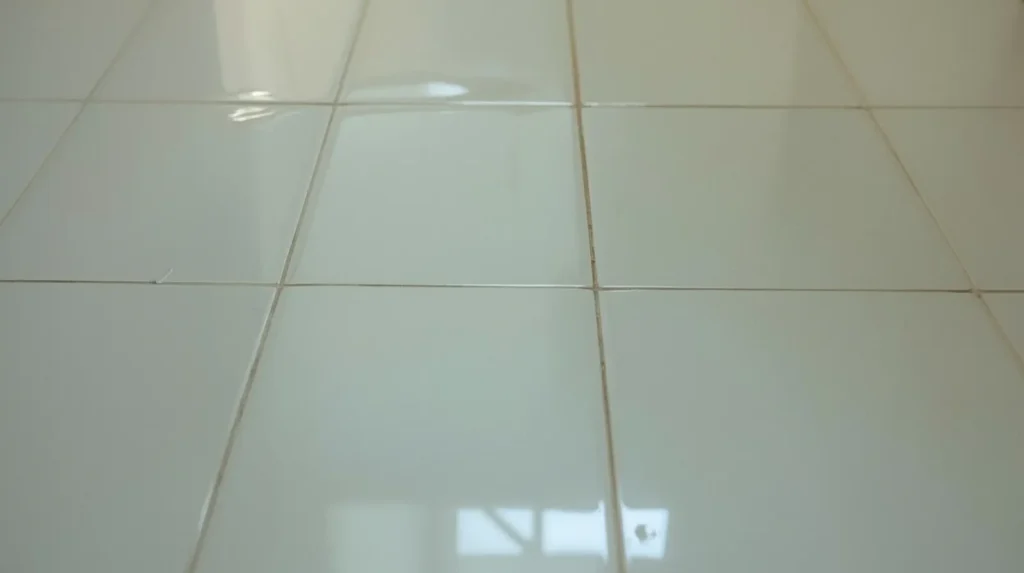
Bathroom floors become slippery for many different reasons. A very smooth tile gives very little traction. When water mixes with soap, it creates a thin layer that makes the surface even more slick. With time, tiles can also develop a worn layer that traps soap scum and body oils. This layer makes the floor feel slippery even when it is dry.

Another common reason for slippery floors is poor ventilation. When humidity stays trapped inside the room, the floor remains damp longer. Damp surfaces collect dust faster. Dust mixes with moisture and creates a thin film that acts like grease on the tile.

Cleaning habits also matter. Some cleaning products leave a shiny finish on tile floors. This shine may look nice, but it reduces grip. It can make tiles feel like ice when they get wet. When tiles stay wet for long hours, mold and mildew can also grow between the grout lines. Mold causes surfaces to become slimy.

These problems happen slowly, and most homeowners do not notice the changes. But over months and years, the tile loses its original traction and becomes unsafe. Understanding these causes helps you choose tiles that avoid these issues from the start.

The Qualities That Define the Best Tile for Bathroom Floor

To choose the best tile for bathroom floor designs, think about how the tile behaves when it is wet. The top bathroom tiles perform well in four areas. They resist water. They give you traction. They are strong. They are easy to clean.

Water resistance is the most important. A tile that absorbs water can swell or crack. Porcelain tiles are known for absorbing very little water. This makes them ideal for wet spaces.

Grip is the second big factor. A tile with more texture gives better stability. You can feel safer on a textured tile even with soapy water present.

Strength and durability matter because bathroom tiles face heavy use. They handle drops, foot pressure, and cleaning chemicals.

Ease of cleaning is also important. Tiles that resist buildup stay safer because they prevent slippery layers from forming. A tile that offers all four qualities gives you a floor that works well for many years.

Understanding Slip Resistance and Why It Matters

Slip resistance protects your family from falls. Many homeowners think slips only happen to seniors, but everyone is at risk in a bathroom. Children run around. Adults step out of the shower quickly. Teenagers walk in with wet feet. All of this creates daily chances for slipping.

Slip resistance is measured with ratings like COF. A higher COF number means the tile grips better. You do not have to study numbers. You only need to look for tiles labeled as slip resistant or non slip for bathrooms.

Tiles made for wet rooms are tested for traction. They support your balance even on busy days. When you choose tiles with good slip resistance, you create a safer bathroom for your entire family.

Are Porcelain Tiles Safe or Slippery for the Bathroom Space
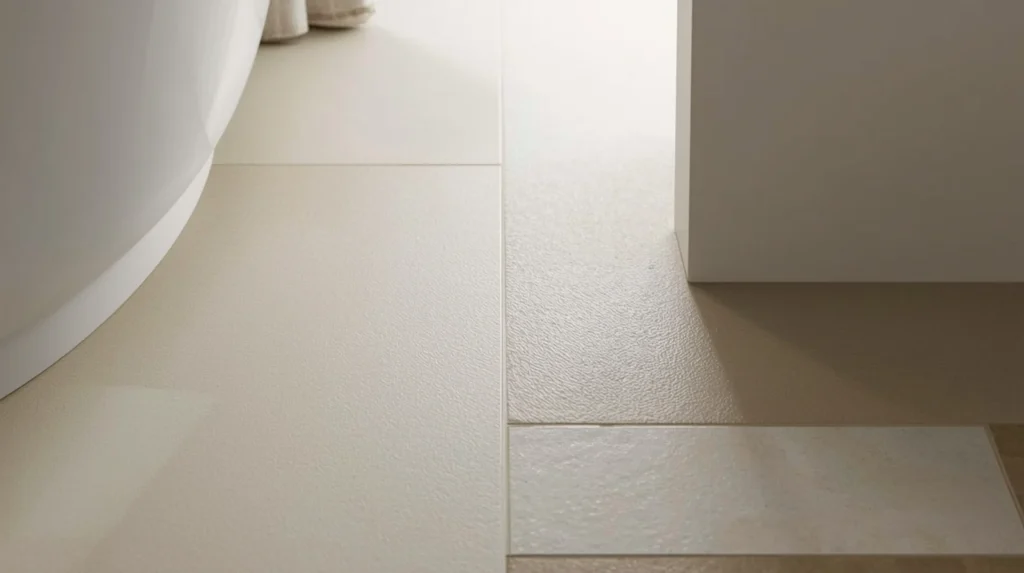
Porcelain tiles are known for strength, but not all porcelain tiles are safe. The danger comes from very shiny surfaces. Shiny porcelain can turn into slippery porcelain tiles when mixed with water. This makes them unsafe for wet spaces.

However, porcelain tiles with a matte finish or textured finish offer great traction. They feel steady, even with damp feet. These textured tiles stay cool, resist stains, and look elegant. Homeowners like them because they offer both safety and beauty.

Porcelain tiles also hold up well in homes with heavy foot traffic. They resist scratches and daily wear. When you choose porcelain tiles designed for wet areas, you get one of the safest and most durable flooring options.

Which Tile Types Work Best for Wet and High Moisture Areas

  • Tiles with low water absorption and higher surface traction perform best in bathrooms, showers, and wet rooms.
  • Porcelain tiles are the best choice because they absorb very little water and stay strong even with daily moisture.
  • Ceramic tiles work well when they include a slip resistant finish that gives extra grip.
  • Small format tiles improve safety because the extra grout lines act like natural traction points.
  • Stone tiles look beautiful, but some stones become slippery when wet and often need sealing for protection.
  • Vinyl tiles can be used in bathrooms, but they do not offer the same long term durability as porcelain.
  • The safest options are tiles that resist water, offer good texture, and maintain grip in wet conditions.

A Simple Guide to Non Slip Bathroom Floor Tiles for Everyday Use
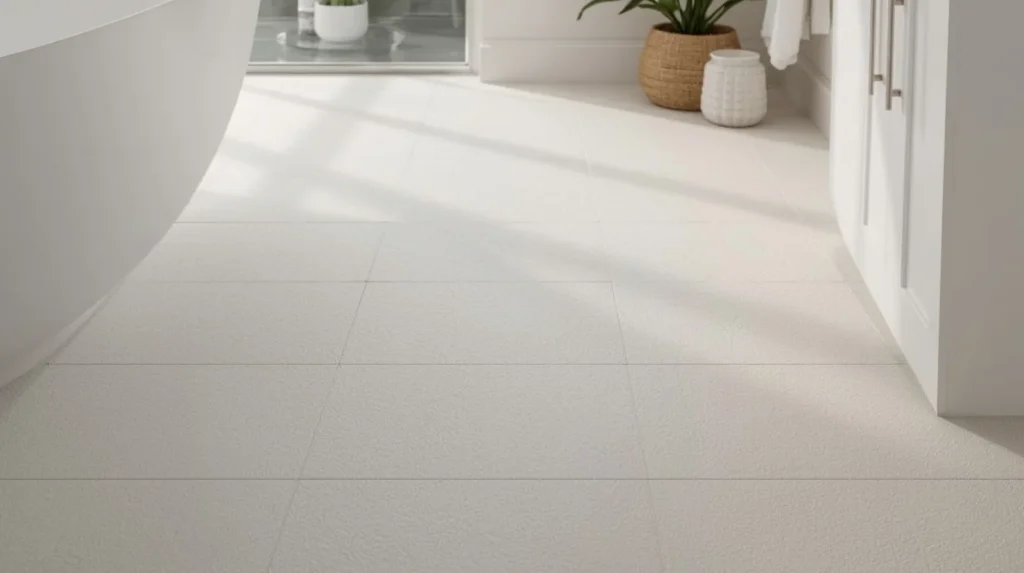
Non slip bathroom floor tiles work well because they have natural traction. They use texture, bumps, and matte finishes to give you grip. They do not rely on sticky coatings. They stay safe even with daily cleaning.

People choose these tiles for practical reasons. They clean easily. They do not trap dirt. They hold up well even when kids run around after a shower. They do not lose their grip as they age.

Non slip tiles come in many styles. You can find them in stone patterns, wood patterns, solid colors, and decorative designs. This means you can make your bathroom beautiful and safe at the same time.

How COF Ratings Help You Pick the Right Bathroom Floor Tile

COF ratings help you understand how a tile performs. A higher COF rating means the tile gives more grip. Bathroom tiles with high COF ratings help prevent slips. When water touches the tile, the surface stays steady instead of slick.

Many manufacturers list these ratings on tile boxes. If you see a higher rating, it means the tile is designed with slip resistance in mind. Tiles made for bathrooms, showers, and wet rooms usually carry strong COF ratings.

You do not need to know the exact number. You only need to choose tiles made for wet floors. When you understand COF ratings, you can quickly compare tiles and choose the safest one.

Style Choices That Improve Safety Without Losing Beauty

Safety does not mean you must give up beauty. You can choose tiles with light patterns, soft colors, or stone textures. Textured tiles come in many designs that look elegant. You can use gentle ridges that add grip and still look modern.

Some homeowners like to mix tile sizes. For example, using large tiles in the main space and small tiles near the shower. Small tiles give more grip because grout lines add traction. This design helps safety and adds visual interest.

You can also choose tiles with a natural grain. These grains look like wood or stone and give you better footing. When style and safety work together, the bathroom feels warm, clean, and welcoming.

Why Many Homeowners in Coachella, CA Prefer Safer Tile Options

Many homes in Coachella, CA deal with warm weather and frequent showers. A safe tile helps families stay comfortable and protected. With so much daily use, homeowners want floors that stay cool, easy to clean, and slip resistant.

Textured porcelain tiles fit these needs well. They stay steady under your feet. They resist stains. They hold up well to daily traffic. Families feel safer because these tiles limit slipping, even after long showers.

The most common reason people choose safer tiles is peace of mind. You do not want a floor that becomes dangerous when wet. A slip resistant tile solves this problem and makes the bathroom more enjoyable.

How CV Floor & Blinds Helps You Choose the Perfect Bathroom Tile

At CV Floor & Blinds, we understand that choosing a bathroom tile can feel confusing. Many people do not know which finishes offer grip or which materials handle water best. That is why our team uses real experience to guide you. We help you find tiles that stay safe and strong.

We also explain how finishes, textures, and slip resistance work. This helps you understand exactly what you are getting. We want you to make a confident choice that fits your budget and your style. CV Floor & Blinds believes every homeowner should enjoy a bathroom that looks beautiful and feels safe.

A good tile can change the entire feel of your bathroom. When you choose the right one, you get comfort, safety, and long term value. Our team is here to help you select a tile that makes your bathroom both stylish and secure.

A safe bathroom floor starts with picking the right tile. When you understand slip resistance, water absorption, and surface texture, you can make a smart choice. A good tile protects your family every day. It gives you grip, strength, and long lasting reliability. When these qualities come together, you get a bathroom floor that feels safe, easy to clean, and beautiful.

If you want help choosing tiles that are safe, stylish, and built for daily use, our team can guide you.

Ready to upgrade your bathroom with safe and stylish flooring? Contact our team today and get expert help choosing the perfect tile for your home.
Related Post

best shower curtains

Best Shower Curtains and How to Choose the Right One

The best shower curtains protect your bathroom from water, dry quickly, stay easy to clean, and improve how the space looks. A well chosen shower curtain helps prevent mold, keeps floors dry, and makes daily showers more comfortable. The right material, drying speed, and design all work together to improve hygiene, safety, and style without extra effort. Why Shower Curtains Matter More Than Most Homeowners Realize Many homeowners see shower curtains as a small detail. In reality, they play a big role in how a bathroom works every day. A shower curtain controls water flow and keeps moisture inside the shower area. Without this barrier, water can spread across the floor and walls. Water damage often starts slowly. Small splashes may not seem serious, but over time they can weaken flooring and create stains. A proper curtain helps reduce these risks by guiding water back into the tub or shower pan. Shower curtains also affect safety. Wet floors increase the risk of slipping. By keeping water contained, a good curtain helps protect everyone in the home, especially children and older adults. Beyond function, shower curtains influence how a bathroom feels. A clean and well fitting curtain makes the room feel cared for. This improves comfort and gives peace of mind during daily routines. What Makes the Best Shower Curtains Worth Choosing The best shower curtains offer more than basic coverage. They support cleanliness, comfort, and long term use. A quality curtain holds its shape, dries well, and stays fresh between washes. Low quality curtains often cling to the body or sag when wet. This creates discomfort and allows water to escape. Better curtains use fabric that balances weight and flexibility, making them easier to use. Durability also matters. Curtains with reinforced stitching and strong hanging holes last longer. They handle frequent opening and closing without tearing or stretching. Choosing a better curtain reduces replacement costs. Instead of buying a new one every few months, a quality option can last for years with proper care. Key Features That Define the Best Shower Curtains Today Washable and Waterproof Options That Simplify Bathroom Care A washable waterproof shower curtain makes bathroom care easier. Instead of scrubbing by hand, homeowners can clean it with regular laundry. This keeps the curtain fresh and reduces buildup. Waterproof fabric helps stop water from soaking through. At the same time, breathable fabric allows moisture to evaporate faster after use. This balance improves drying speed and cleanliness. Frequent washing does not damage quality fabric. Strong materials hold their shape even after many cycles. This helps the curtain stay neat and functional. Easy care curtains also support better hygiene. Clean fabric reduces odor and limits mold growth, making the bathroom healthier. Quick Drying Shower Curtains and Why They Reduce Odor and Mold A quick drying shower curtain plays an important role in moisture control. When fabric dries fast, mold has less time to grow. This helps protect both the curtain and the bathroom air. Slow drying curtains stay damp for hours. This creates a warm space for bacteria and odors. Over time, this can affect indoor air quality. Fast drying fabric allows moisture to escape quickly. Airflow around the curtain helps speed up the process. Curtains that hang freely without sticking dry even faster. Reducing moisture also helps protect nearby surfaces. Walls, floors, and fixtures stay cleaner when moisture does not linger. Fabric Shower Curtains vs Plastic Styles What Actually Lasts Longer Fabric shower curtains Fabric shower curtains usually last longer than plastic ones. They stay flexible and strong even after many washes. Fabric does not crack or harden over time, which makes it a better long term option. It also moves smoothly and quietly, making daily showers more comfortable. Many homeowners like fabric because it looks clean and blends well with bathroom decor. Plastic shower curtains Plastic shower curtains often cost less at first, but they wear out faster. Over time, plastic can fade, crack, or become stiff. This reduces comfort and appearance. Plastic curtains may need to be replaced more often, which can cost more in the long run. If you want, I can also convert this into a comparison table or expand it with care tips.. Stylish Shower Curtains That Match Modern Bathroom Design Stylish shower curtains help tie the bathroom together. Simple colors and textures support a calm and clean look. These designs work well in many home styles. A curtain does not need bold patterns to stand out. Soft tones and quality fabric create elegance through simplicity. Matching the curtain to towels or rugs creates balance. This small effort improves the overall look without major changes. Well chosen curtains support both beauty and function. They look good while still performing their job every day. Shower Curtain Trends That Feel Timeless Not Trendy Shower curtain trends come and go, but some styles remain useful. Neutral shades, soft fabrics, and clean lines age well. These choices feel fresh for many years. Current trends focus on comfort and ease. Homeowners want items that reduce work and add calm to daily routines. Avoiding extreme designs helps prevent regret later. Timeless styles save money and reduce the need for frequent updates. Choosing classic options also supports resale value. Clean and neutral bathrooms appeal to more people. Guest Bathroom Shower Curtain Ideas That Create a Clean First Impression Guest bathrooms should feel welcoming and easy to use. A simple and clean curtain helps guests feel comfortable. Fabric curtains with smooth textures look well maintained. This creates trust and improves the overall impression of the home. Neutral colors work best in guest spaces. They feel safe and clean without being boring. A fresh curtain can update a guest bathroom quickly. It shows attention to detail without major renovations. Choosing the Best Shower Curtains for Homes in Coachella, CA Warm climates create extra challenges for bathrooms. Heat and humidity cause moisture to stay in the air longer. This makes drying speed very important when choosing a shower curtain. Curtains that dry quickly

Read More »
best carpet for high traffic areas

Best Carpet for High Traffic Areas for a Beautiful Home

The best carpet for high traffic areas is usually a low pile, dense carpet made from strong materials like nylon or high quality synthetic fibers. These carpets handle footsteps, kids, pets, and busy daily life without wearing out too fast. They stay cleaner, last longer, and keep their shape even when people walk on them every day. If you want a carpet that holds up in busy rooms, carpets with tight fibers, strong materials, and good stain resistance will give you the longest life and best comfort. What to Know Before You Buy Choosing carpet for your home should feel exciting, not stressful. Carpet can make a space warm, peaceful, and comfortable. It adds color, style, and softness to every room. But when a home has busy rooms with lots of walking, playing, and daily movement, some carpets start to look old too quickly. Families often notice flat fibers, dark pathways, stains, or fading long before they planned to replace their flooring. This happens because not all carpets are made the same. Some carpets are meant for calm rooms like guest bedrooms. Others are built for busy hallways, living rooms, stairs, and family spaces. The key to keeping your floors in good shape is choosing the right type of carpet for the amount of activity in your home. This detailed guide explains everything you need to know about finding a strong, long lasting carpet that stays beautiful even in active areas. It shares real world experience, expert advice, and clear steps so you can make the best decision for your home without confusion. Why Some Rooms Wear Down Carpet Faster Some rooms take a lot more pressure than others. Foot traffic describes how often people walk across a space. When a room has high foot traffic, the carpet fibers get stepped on constantly throughout the day. Over time the pressure from feet pushes the fibers down. Eventually they become flat, dull, and unable to bounce back. Hallways and stairs usually wear out first because they are used the most. Living rooms and family rooms also get steady traffic because families spend so much time there. Kids run, pets play, guests visit, and everyday life always moves through these areas. Another reason busy rooms wear down faster is dirt. Even clean homes deal with dust, hair, crumbs, and tiny pieces of outdoor debris. These small particles fall into the carpet and rub against the fibers. Over time this rubbing works like soft sandpaper and slowly wears the carpet down. That is why choosing the right carpet matters so much. What Makes a Carpet Truly Durable Carpet durability depends on several simple but powerful features. When these features work together, the carpet stays strong for years even in busy spaces. 1. Fiber Density Density means how tightly the fibers are packed together. High density carpet feels firm and full. When you press your fingers into it, the fibers push back. Low density carpet feels airy and soft but flattens fast. In high traffic rooms, high density always performs better. 2. Twist Level Twist level describes how tightly each fiber is twisted. Strong twist helps the carpet bounce back after footsteps. Loose twist looks messy quickly. The higher the twist level, the better the carpet handles daily use. 3. Pile Height Long fibers feel soft but crush easily. Short fibers stay strong longer. Low pile carpet is one of the best choices for heavy use because it resists matting and keeps its shape. 4. Backing Quality Backing holds the carpet together. A strong backing helps the carpet stay flat and prevents stretching or ripples. This helps keep the carpet looking newer for a longer time. 5. Stain and Soil Resistance Busy rooms always have spills and dirt. Stain resistant treatments help protect the carpet so you can clean messes before they soak deep. This keeps the carpet bright and fresh. Comparing Carpet Types for Busy Homes Carpet construction plays a big role in how long it lasts. Each type has different strengths. Loop Pile Carpet Loop pile has fibers that loop back into the backing. This creates a firm structure that stays strong. It is very popular for high traffic rooms because it resists crushing. Berber is the most well known loop pile style. It hides footprints well and performs beautifully in busy spaces. Cut Pile Carpet Cut pile has fibers that stand straight up. The softness depends on fiber length and density. Some cut pile carpets are extremely durable, especially when the fibers are short and tightly packed. These carpets combine comfort and strength for active homes. Textured Carpet Textured carpet has fibers of slightly different lengths. This helps hide footprints and keeps the carpet looking fresh. Textured carpet also works well in busy rooms because the pattern disguises early signs of wear. Patterned Carpet Patterned carpet mixes loop and cut pile styles together. This creates visual interest and helps hide daily traffic. Many families choose patterned carpet for living rooms or stairs because it gives a stylish touch while staying durable. The Best Carpet Materials for High Traffic Areas The material used to make carpet fibers is one of the biggest factors in how well it lasts. Some materials stay strong and firm, while others flatten faster. Nylon Nylon is one of the best carpet materials for active homes. It is strong, flexible, and able to bounce back after being stepped on. Nylon carpets last a long time and handle busy rooms extremely well. They also resist fading and staining when treated properly. Polyester Polyester is soft and comes in bright colors. Its stain resistance is excellent. However, it may not stay strong in very busy rooms. Modern polyester blends have improved, but nylon still leads in strength. High Quality Synthetic Blends Some synthetic carpets are designed specifically for durability. These blends combine comfort, stain resistance, and firmness. They are a good choice for families that want long life without the higher cost of premium nylon. Wool Wool is natural,

Read More »
how to fix scratches on engineered wood floors

How to Fix Scratches on Engineered Wood Floors the Smart Way

The clear answer to how to fix scratches on engineered wood floors is to clean the area, identify the scratch depth, and then use the right method, such as repair markers for light marks, filler for medium scratches, and sanding plus board replacement for deep damage. These steps help restore the floor and keep it looking fresh. Scratches happen all the time, even when you try your best to care for your floors. Engineered wood is strong, but its top layer can still mark easily. In this guide, you will learn simple and safe ways to repair the scratches you see at home. The steps are easy, the tools are simple, and you will understand what works for each type of scratch level. This blog also gives you guidance on when you can fix damage yourself and when it may be better to talk with a flooring expert. Why Scratches Appear Easily on Engineered Wood Floors Engineered wood floors look warm and natural, but the surface is often thinner than solid hardwood. The top layer is real wood, so it can still scratch when something sharp rubs across it. Pets running, chairs sliding, grit from shoes, and toys on the floor all cause small marks. Since the top wood layer is not thick, heavy sanding is usually not a good option. This is why many owners see scratches sooner than they expect. The good news is that most scratches can be fixed with simple tools, patience, and the right steps. Common Causes of Floor Scratches You May Not Notice Many scratches on engineered wood do not appear right away. They build slowly. Here are the most common causes. You may not see these scratches right away, but they add up over time. Knowing the cause helps you avoid future damage. How to Identify Light, Medium, and Deep Floor Scratches Before trying to fix floor scratches, take time to study the damage. Not all scratches are the same. There are three main types: Light scratches These are surface level marks that only affect the finish. You can see them when the light hits the floor. You cannot feel them with your finger. These are the easiest to fix. Medium scratches These marks cut into the finish and lightly touch the wood layer. You can feel them a little when you run your finger across. They need repair kits, touch up markers, or filler sticks. Deep scratches These cuts break through the finish and go into the wood layer. They look darker and may feel rough. Deep scratches often need sanding in a small spot or replacing a plank, since engineered wood has a thin top layer. Knowing the scratch type helps you choose the right method and keeps you from making the damage worse. Quick Ways to Fix Light Scratches on Engineered Wood Floors Light scratches are common and easy to fix. These scratches sit on the top coat. You can use simple items to make them blend into the rest of the floor. Step 1: Clean the area Use a soft cloth with a gentle floor cleaner. This removes dirt so you can see the scratch clearly. Step 2: Use a repair marker Repair markers match wood color well. Draw lightly over the scratch, then wipe the extra marker with a clean cloth. Always test it first on a hidden area. Step 3: Add a polish A safe wood floor polish can help blend everything and reduce the shine difference. Apply a small amount and gently buff the spot. Step 4: Check the results If the scratch still shows, apply a second layer of marker or polish. These small steps work well for most light surface marks. They also help with light scuffs and small rub lines. How to Fix Medium Floor Scratches With Repair Kits Medium scratches go a little deeper, so repair markers alone may not be enough. Here is what works best. Step 1: Clean and dry the area Dirt prevents fillers from sticking well, so start with a clean spot. Step 2: Use a wax or putty filler Most home stores sell repair kits made for engineered wood floors. Pick a filler color that matches your floor. Warm the wax slightly with your hand and press it into the scratch. If using putty, press a small amount into the scratch with a plastic tool. Step 3: Smooth the surface Use a plastic scraper to level the filler. Do not use metal tools because they can create more scratches. Step 4: Color blend the repair A touch up marker can help the filler match the floor tone. Light strokes work best. Step 5: Add a gentle top coat A small amount of finish or polish helps seal the repair. Medium scratches often disappear after these steps, and the surface feels smooth again. How to Fix Deep Scratches on Engineered Wood Floors Deep scratches are the hardest to fix because they cut past the finish and into the wood. Since engineered wood has a thin top layer, heavy sanding could remove too much wood. So you need to use safer methods. Option 1: Spot sanding Light spot sanding can help if the scratch is not too deep. Use very fine sandpaper. Sand gently in the direction of the wood grain. Stop quickly if the color changes too much. Option 2: Use wood filler Deep cuts can be filled with color matching wood filler. Apply it firmly and smooth it out. After it dries, add a touch up marker to match the floor shade. Option 3: Replace the plank If the scratch is very deep or wide, the best fix is replacing the damaged plank. This keeps the floor level and protects the rest of the structure. Because engineered wood uses a click or glue system, replacing one board may need help from someone with experience. Deep scratches look scary, but they can be restored with care and patience. When to Call CV Floor and Blinds in Coachella,

Read More »
Table of Contents